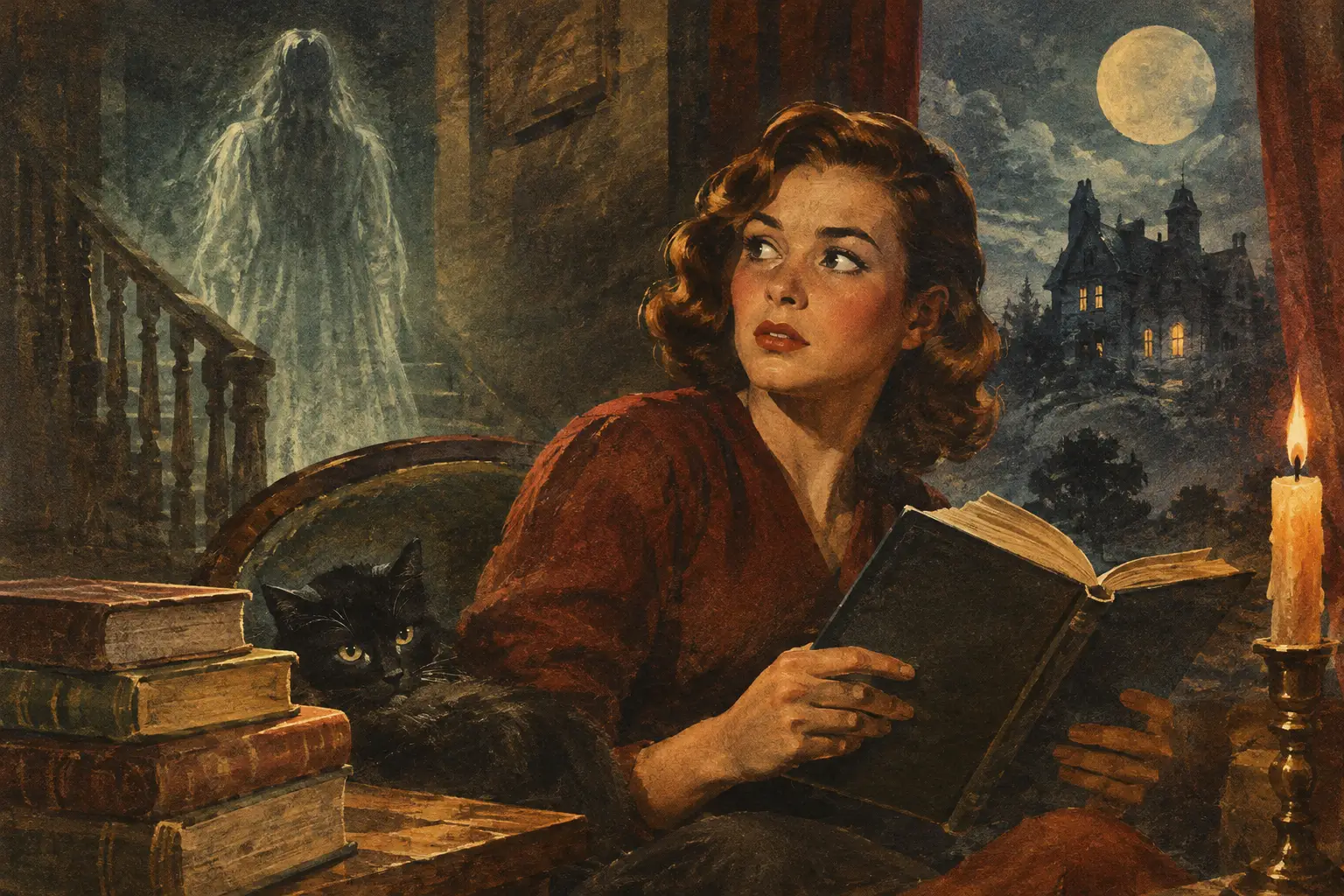
A novel can arrive with no blockbuster campaign, no familiar name on the cover, and no promise that everyone else has already approved it. Yet it may contain the character who keeps you awake at 2 a.m., the moral choice that unsettles you for days, or the sentence that gives shape to something you have felt but never said. Discovering indie authors is not merely a search for inexpensive reads or hidden bargains. It is a way of finding stories that have not been sanded down to please the largest possible crowd.
For readers drawn to danger, conscience, history, faith, political pressure, and the cost of survival, independent fiction can be a particularly rich territory. The work is uneven at times. So is any living art. But the reward is access to bolder premises, stranger combinations of genre, and writers willing to follow an idea into uncomfortable places.
Why discovering indie authors changes your reading life
Traditional publishing can produce extraordinary books. It also operates under real commercial pressures: limited lists, familiar categories, proven market signals, and the difficult question of what can be sold to enough people fast enough. Independent authors face a different set of pressures, but they have greater freedom to take risks.
That freedom matters when a historical thriller wants to confront the machinery of power rather than use history as wallpaper. It matters when a space adventure carries grief, moral injury, or spiritual doubt alongside battles in orbit. It matters when a contemporary novel refuses to offer a clean answer to corruption, violence, loyalty, or identity.
An indie author may write directly toward the readers who want that complexity. They may blend political suspense with speculative fiction, supernatural dread with family drama, or poetic reflection with a hard-driving plot. Those combinations do not always fit neatly on a bookstore shelf. They can still make for unforgettable reading.
The trade-off is simple: visibility is not a guarantee of quality, and obscurity is not proof of brilliance. A lesser-known book still deserves the same fair reading standards as any other. The goal is not to praise every independent release. The goal is to become better at recognizing the stories built for you.
Where to start discovering indie authors
The most useful places are usually not the loudest ones. Look for spaces where readers describe what a book made them feel, not only whether they gave it five stars. Genre communities, independent bookshops, reading groups, author newsletters, bookish podcasts, and thoughtful review sites can all point toward writers who might otherwise pass unnoticed.
Follow themes, not just categories
A genre label is a doorway, not a full description. If political thrillers interest you, ask what kind: election conspiracies, intelligence operations, constitutional crisis, corporate corruption, or a lone official caught between duty and truth? If you read science fiction, consider whether you want military conflict, first contact, dystopian surveillance, space opera, or philosophical speculation.
The more clearly you can name the pressure you want a story to explore, the easier discovery becomes. Search for readers discussing questions that matter to you: freedom versus security, revenge versus justice, belief under pressure, survival after betrayal, or the way ordinary people respond when institutions fail.
This approach also helps you find genre-bending work. A reader looking only for “historical fiction” may miss a historical suspense novel with the pulse of a thriller. Someone searching only for “fantasy” may overlook a supernatural story grounded in grief, guilt, or faith. The right book is often hiding one shelf over from the category you assumed you wanted.
Read the sample like a reader, not a shopper
A description can promise everything. The opening pages have to deliver a voice worth following. Give an unfamiliar author enough room to establish tone, character, and stakes, but do not force yourself through a sample that leaves you cold.
Pay attention to the questions the prose creates. Does the opening make you want to know what this character fears, wants, or refuses to admit? Does the setting feel lived in? Is the conflict personal as well as external? A good thriller does not need an explosion in the first paragraph, but it should create tension. A reflective novel does not need to move slowly, but its language should earn your attention.
Also notice whether the book knows what it is. A story can be ambitious without being confused. If the voice, premise, and early conflict point in the same direction, you may have found a writer with command of the page.
Let one good book lead to another
Independent authors often build their readership through relationships rather than mass exposure. When you find one whose work speaks to you, look at the authors they admire, the books their readers mention, and the genres they return to. Reader circles and genre-focused communities are especially valuable because patterns emerge over time. The same names come up when people ask for morally serious suspense, dark speculative fiction, or character-driven action.
This is not about turning reading into a research project. It is about trusting curiosity. One strong recommendation can lead to a whole network of writers working outside the center of the market.
How to judge an unfamiliar author fairly
A polished cover, a compelling premise, and enthusiastic reviews are useful signals, but they are not the whole case. Read with both openness and discernment. Every writer deserves a chance to make their first impression. No writer is owed your time indefinitely.
Start with the basics: clarity, consistency, pacing, and emotional credibility. Then ask the deeper question: does the book have something at stake beyond the plot mechanics? A villain can threaten a city, a government, or a family. The story becomes more powerful when the conflict reveals what its people are willing to sacrifice to protect what they love.
Reviews can help, provided you read them for fit rather than consensus. A complaint that a book is “too political” may be a warning for one reader and an invitation for another. A review calling a novel “slow” may mean it spends time developing atmosphere and character. Repeated comments about confusing timelines, weak editing, or abandoned plot threads deserve attention. So do repeated comments about immersive worlds, sharp dialogue, and endings that linger.
If you enjoy a writer’s first book but see room for growth, remember that independent publishing often allows readers to witness an author’s evolution in real time. Series deepen. Craft sharpens. Themes gain force. Supporting a promising voice can mean being there before the rest of the world catches up.
Support the work you want more of
For indie authors, a reader’s response can have a real effect. A thoughtful review helps the next reader decide whether the book fits. Recommending a title to a friend who loves the same kind of fiction is more valuable than broad, vague praise. Joining an author’s reader community can also keep you aware of new releases, behind-the-scenes notes, and books that may never appear in a major promotional push.
Honesty matters here. Do not promise a masterpiece if the book was simply good. Say what worked: the tense atmosphere, the wounded protagonist, the historical detail, the sharp moral conflict, the ending that refused an easy escape. Specificity respects the writer and helps the right readers find the book.
G.H. White writes for readers who want suspense with a conscience – stories where danger is real, power is contested, and the choices people make leave marks. That is the kind of clarity worth seeking from any author. Know what you want to feel, what questions you want a story to ask, and what kind of darkness you are willing to enter for a glimpse of truth.
Give the unfamiliar book a real chance
The safest reading life is built from names you already trust. There is nothing wrong with returning to them. Familiar authors can feel like old allies, especially when the world outside the page already demands too much from you.
But leave room for surprise. Choose one independent author each month whose work sits close to your interests but carries a different voice, setting, or point of view. Try the historical mystery written by someone who loves political consequence. Try the space opera that cares as much about loyalty as laser fire. Try the supernatural novel that treats faith as a living struggle rather than a prop.
Some books will not be for you. Put them down without guilt. Others will remind you why reading still matters: because a stranger can build a world from language, place a difficult choice in your hands, and ask you to live with its consequences.
The next story that stays with you may not arrive with a famous name attached. It may arrive quietly, carrying a risk no committee would have approved. Make room for it.
Written by :

Join the Reader Circle
Get exclusive updates, early previews, and behind-the-scenes insights from G.H. White — delivered straight to your inbox.
No spam. Just stories, sneak peeks, and the occasional surprise.