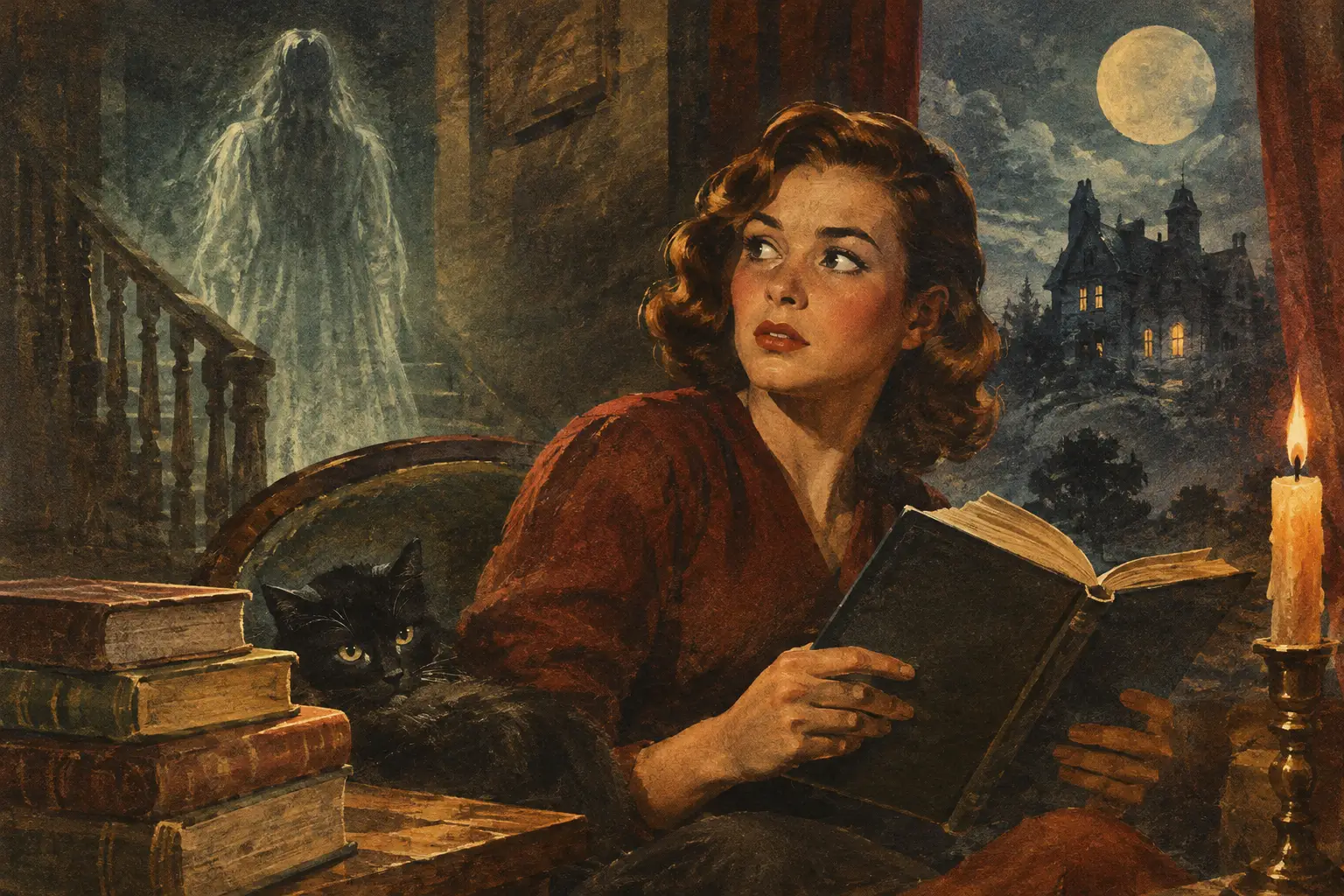
A stranger offers exactly what your character cannot live without: a lost child returned, a ruined name restored, the power to stop a war, one more year with the person they love. The price appears manageable. Maybe it is only a signature, a favor, a secret, or a promise to be collected later. That is the faustian bargain meaning at its most dangerous: not evil announced with thunder, but temptation made personal.
The phrase survives because it names a fear that reaches beyond supernatural fiction. What if the thing that saves you also changes you? What if success demands a part of your conscience, your freedom, or your soul? A Faustian bargain is not simply a bad deal. It is a deal whose true cost reaches into identity.
What Is the Faustian Bargain Meaning?
A Faustian bargain is an agreement in which someone trades something essential – traditionally their soul – for power, knowledge, pleasure, wealth, revenge, or another deeply desired reward. The expression comes from the legend of Faust, a learned man who makes a pact with the devil in exchange for extraordinary experience and understanding.
At the center of the story stands Mephistopheles, the devilish figure who offers what Faust believes the ordinary limits of life have denied him. Versions of the tale stretch back centuries, but the bargain has become larger than any one book, play, or adaptation. It now describes any choice where immediate gain conceals a devastating moral, spiritual, or personal loss.
The “soul” need not be religious. In a political thriller, it may be a public servant trading principle for influence. In science fiction, it may be a commander surrendering human judgment to an all-knowing system. In contemporary fiction, it may be a grieving person choosing a comforting lie over a difficult truth. The terms change. The wound remains.
Why the Bargain Is More Than a Deal With the Devil
A real bargain involves informed consent and a fair exchange. A Faustian bargain is built on distortion. The offer targets a private hunger, then makes the price feel distant, abstract, or necessary.
That is why the figure of the devil matters even when no horns, flames, or occult rituals appear on the page. The devil is often less a monster than a voice of ruthless permission. He tells the ambitious person that rules are for lesser people. He tells the desperate person there is no other way. He tells the wounded person that cruelty will finally make them whole.
The person who accepts is not always foolish. Often, they are intelligent, brave, or genuinely cornered. That complexity gives the story its force. If the answer were obviously wrong, there would be no tragedy. The most compelling bargains arrive when readers understand why someone says yes.
There is also a crucial difference between sacrifice and a Faustian bargain. Sacrifice gives something up for another person, a principle, or a future beyond the self. A Faustian bargain takes a shortcut toward a desired outcome while compromising the very values that once made that outcome worth having. A soldier who risks their life to protect civilians makes a sacrifice. A leader who abandons civilians to secure power has made something far darker.
The Hidden Price Is the Point
The bargain’s first payment is usually not the final one. A character may receive money, information, love, victory, or supernatural ability. For a while, the choice may even look justified. That interval matters. It lets the reader feel the seduction rather than merely observe the punishment.
Then the consequences begin to spread. The gift demands another lie. The lie requires betrayal. Betrayal creates fear, isolation, and dependence on the force that made the original offer. What seemed like control becomes captivity.
This is why Faustian stories often carry an atmosphere of tightening walls. The character does not lose themselves in one dramatic instant. They lose themselves through rationalizations: just this once, for the greater good, no one will know, I can fix it later. Each phrase sounds familiar because it is.
A bargain can be Faustian even if the promised reward arrives. The tragedy is not that the deal fails. The tragedy is that it works, and the winner discovers the victory has hollowed out the person who wanted it.
Faustian Bargains in Fiction
For readers who love dark fantasy, political suspense, supernatural fiction, and speculative stories, the Faustian bargain is a powerful engine because it creates conflict inside the character as well as around them. An enemy can be defeated with strength or strategy. A compromised conscience is harder to outrun.
In supernatural fiction, the structure may be literal: a witch gains forbidden power, a vampire offers immortality, or an ancient entity grants a wish. The danger is not only whether the protagonist can defeat the entity. It is whether they can resist becoming the kind of person who needs its gifts.
In political thrillers, the devil often wears a suit. A candidate accepts secret funding. An intelligence officer buries evidence to prevent a panic. A reformer decides democracy is too slow for the crisis at hand. These choices can begin with noble language, which makes them especially unsettling. Corruption rarely introduces itself as corruption. It calls itself necessity.
Science fiction gives the bargain new machinery. A government may trade privacy for security. A colony may accept corporate protection in exchange for permanent control. A soldier may enhance their body and mind, only to discover that the program owns the person they have become. The speculative setting changes the scale, but the emotional question remains intimate: what are you willing to become to survive?
Even historical fiction thrives on this tension. A person living under occupation, tyranny, war, or social exclusion may face choices with no clean outcome. A Faustian bargain does not require that every option be easy. In fact, it becomes more haunting when the character’s world has made integrity costly.
How to Recognize a Faustian Choice
Not every compromise is a pact with darkness. Adults make imperfect decisions every day. Sometimes accepting help, taking a difficult job, or choosing the lesser of two harms is simply survival. The phrase becomes meaningful when the exchange threatens a core moral boundary and when the reward depends on crossing it.
Ask a few hard questions. Is the offer exploiting fear, grief, vanity, or desperation? Does it require secrecy because it cannot withstand honest scrutiny? Will accepting it make future wrongdoing easier? Is the reward so immediate that it discourages thought about consequences? Most of all, if the character gets what they want, will they still recognize themselves afterward?
The answer may depend on context. A whistleblower who leaks classified information to expose a grave abuse might violate the law, but that does not automatically make the act Faustian. Motive, alternatives, harm, accountability, and the nature of the power involved all matter. The phrase should not be used to flatten every difficult moral decision into a simple lesson.
Still, it remains useful because it directs attention to the part of a choice that public language often hides: the human cost. A deal can be legal, profitable, popular, and disastrous for the soul.
Why These Stories Stay With Us
The Faustian bargain endures because most people know the quiet pressure to trade tomorrow for relief today. It appears in the urge to win at any cost, to surrender judgment to a crowd, to accept comfort purchased by someone else’s suffering, or to let fear make decisions that courage should make.
Great fiction does not preach that people should never want power, knowledge, safety, or love. Those desires are human. It asks what happens when desire is detached from responsibility. It forces readers to sit close to temptation and feel its logic before the bill arrives.
That is why a Faustian story can be thrilling, frightening, and painfully recognizable at once. The devil’s offer is rarely, “Become evil.” More often, it is, “You have suffered enough. Take what you deserve.” The strongest characters are not those who never hear that voice. They are the ones who learn, before the price is due, what must never be for sale.
Written by :

Join the Reader Circle
Get exclusive updates, early previews, and behind-the-scenes insights from G.H. White — delivered straight to your inbox.
No spam. Just stories, sneak peeks, and the occasional surprise.