A regime does not need soldiers on every corner to control a population. It needs fear to become ordinary. It needs people to doubt their own memories, censor their own words, and decide that survival is more practical than speaking up. The best resistance fiction books begin in that pressure chamber, where a character must choose between the safety they know and the truth they can no longer ignore.
These stories are not simply about rebellion, secret cells, coded messages, or a final assault on a palace. They are about the moral cost of refusing to cooperate with cruelty. They ask what courage looks like when courage may not be rewarded, when the enemy has a human face, and when the person resisting has already made compromises they cannot erase.
Why Resistance Fiction Books Hit So Hard
Resistance fiction reaches beyond a single genre because power takes many forms. In a historical thriller, the threat may be an occupying force or a government willing to bury its crimes. In political fiction, it may be corruption protected by bureaucracy, wealth, and intimidation. In speculative fiction, it may be an algorithm, a surveillance state, a colony run by military authority, or a society that has traded freedom for the promise of order.
The setting changes. The central wound does not.
Readers return to these stories because they recognize a hard truth: most people do not wake up believing they will become complicit in injustice. Complicity is usually quieter than that. It arrives through a job that requires silence, a rule that seems temporary, a neighbor taken away while everyone else closes the blinds. Resistance fiction makes that gradual surrender visible.
That is why the strongest books in this tradition do not treat resistance as a costume. A defiant speech can be exhilarating, but it means little if the character never faces what that speech might cost. The question is not whether someone can oppose power. The question is what they are willing to lose after they do.
Resistance Is More Than a Revolution
The word “resistance” can summon images of armed fighters and collapsing regimes. Those stories have their place, especially when action reveals character under extreme pressure. But resistance can also be intimate.
A journalist refuses to alter the facts. A soldier disobeys an order that violates conscience. A daughter searches for the history her family was told to forget. A scientist protects evidence from people who would weaponize it. A person with almost no power chooses not to repeat a lie.
These acts may not look heroic at first. That is precisely why they matter. Resistance fiction understands that the battle for freedom is often fought before the public uprising, before the dramatic escape, before anyone knows who will win. It begins when somebody decides that fear will not have the final word.
For readers who value political thrillers, the appeal is often the tightening machinery of the plot: the document that disappears, the witness who changes sides, the trusted official who knows more than they admit. For readers drawn to speculative fiction or space opera, the same conflict may unfold on a distant world where law and identity have been rewritten. In either case, the story gains force when resistance is personal rather than abstract.
A character does not risk everything for “liberty” as a slogan. They risk it for a brother, a promise, a stolen future, a memory they refuse to surrender, or the realization that living safely under a lie is its own kind of death.
The strongest protagonists are not clean heroes
A flawless rebel may be admirable, but a complicated one is harder to forget. Great resistance fiction often gives its central characters reasons to hesitate. Perhaps they once benefited from the system. Perhaps they were too afraid to act when someone else needed them. Perhaps their anger is righteous, but it also threatens to consume them.
That tension gives the story emotional weight. Resistance is not purity. It is a choice made by imperfect people in conditions designed to make every choice dangerous.
This is also where the genre can challenge easy political certainty. Not every institution is evil. Not every person inside a corrupt structure is a monster. Not every act of defiance is wise, and not every sacrifice changes the outcome. A book that acknowledges these realities can still burn with conviction. In fact, it often burns hotter because it respects the reader enough to leave room for grief, doubt, and consequence.
What Makes a Resistance Story Worth Reading
The most memorable resistance stories create pressure on several levels at once. There is the external threat: imprisonment, exposure, violence, exile, blackmail, or the loss of a community. There is also the internal threat: guilt, divided loyalty, trauma, faith tested by suffering, and the fear that the cause itself may become another form of tyranny.
A compelling antagonist is essential. The villain does not have to be charming, but they should represent more than brute force. They may genuinely believe control prevents chaos. They may hide behind procedure. They may speak the language of security while building a world where no one can breathe freely. Such figures are disturbing because they do not always announce themselves as villains. They make oppression sound reasonable.
The setting must carry its share of the burden, too. A resistance movement needs texture: monitored streets, forbidden archives, rooms where people lower their voices, old symbols painted over by new ones. In a science-fiction novel, this might mean a ship where every communication is logged or a planetary government that controls oxygen, travel, and history. In a contemporary political thriller, it may be a city where influence moves through private meetings and carefully managed headlines.
Details matter because they show what power has done to ordinary life. Readers feel the stakes more deeply when oppression is not merely announced but lived.
The Danger of Making Resistance Too Easy
There is a temptation in fiction to turn resistance into a simple moral machine. The bad people are obvious. The rebels are always right. The final victory arrives with a clean emotional release.
Sometimes readers want that release, and there is nothing wrong with a story that offers hope through decisive triumph. But the books that stay with us usually understand that victory can be partial. A regime may fall while its habits remain. A character may survive but never recover what was taken. A movement may win public freedom while confronting painful questions about what it became along the way.
This does not mean every resistance novel must end in darkness. It means hope should be earned. Hope has more power when it survives contact with reality.
That balance matters especially in politically charged fiction. A novel should have the courage to stand for something, yet it should not confuse certainty with depth. Readers can feel when a story is lecturing them. They can also feel when an author has created a real moral conflict and trusted them to wrestle with it.
G.H. White’s Reviving the Statue of Freedom belongs to the kind of story that treats freedom not as decoration, but as a force that must be defended when corruption and fear begin to reshape public life. That is the promise resistance fiction can fulfill at its best: high stakes, urgent suspense, and a question that reaches beyond the last page.
Choosing Resistance Fiction for Your Mood
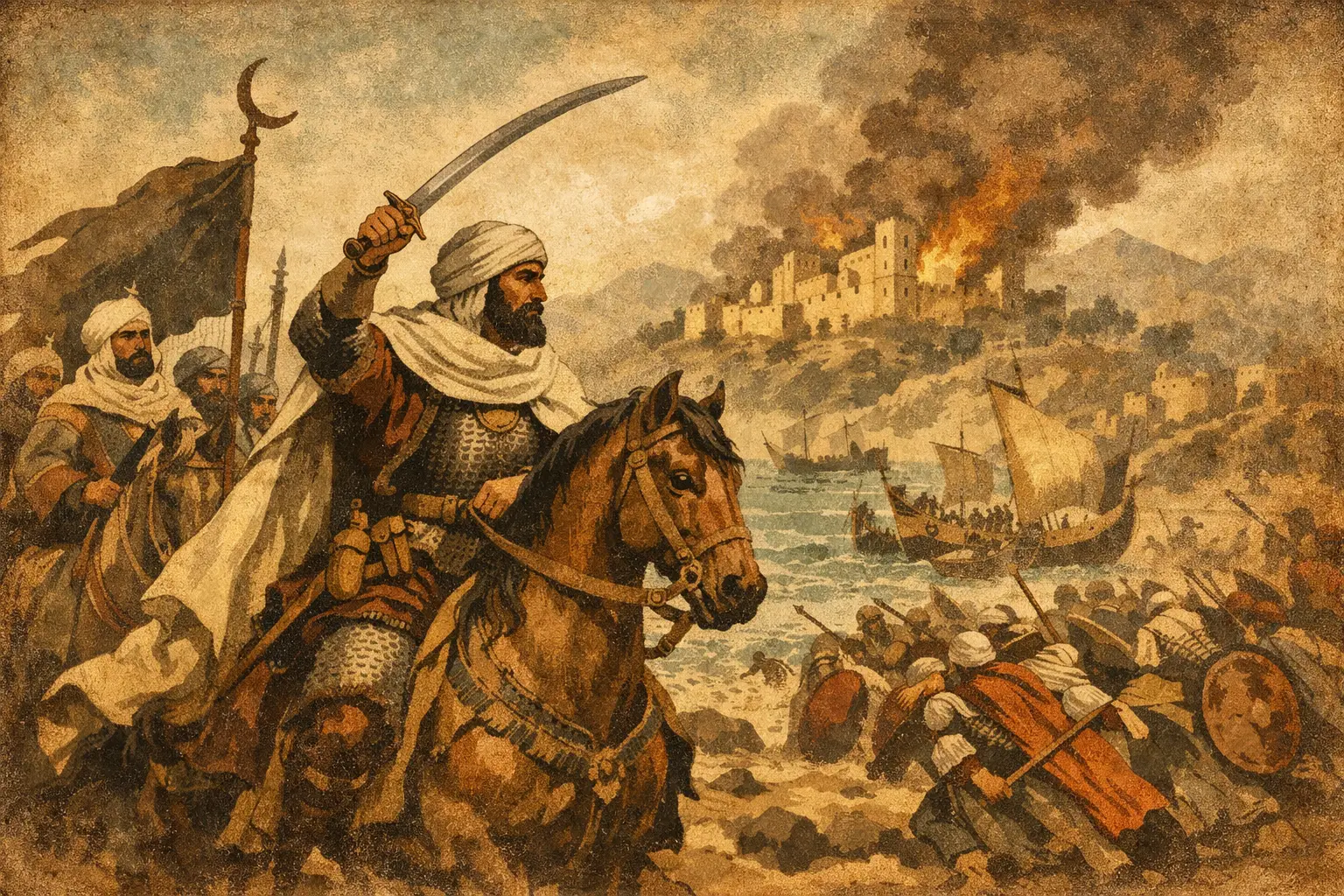
If you want tension rooted in real history, look for novels where the past is not distant scenery but an active moral battlefield. Historical resistance fiction can show how ordinary people faced extraordinary systems, often without knowing whether anyone would remember their names.
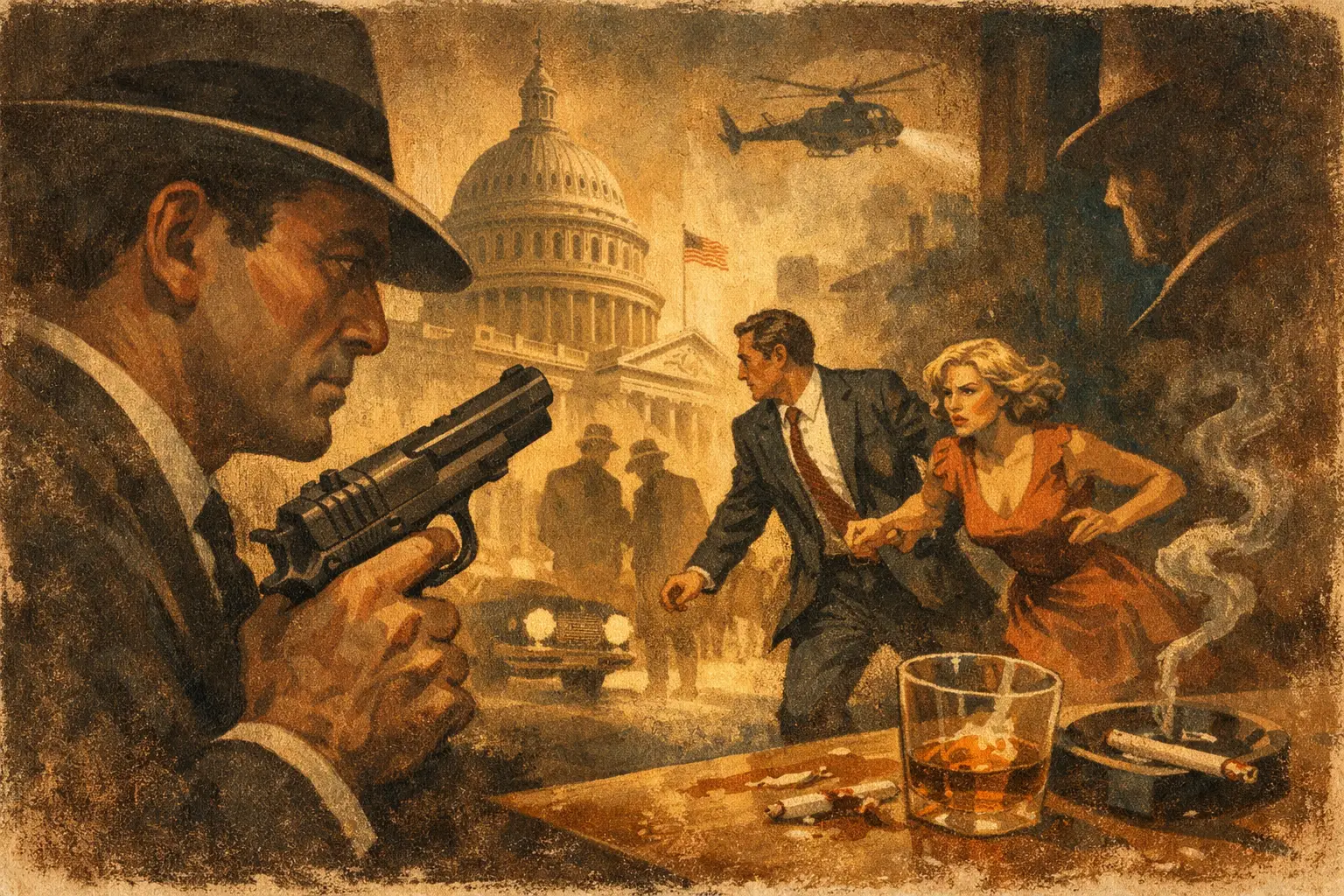
If you want paranoia and momentum, political thrillers are a natural fit. Their danger often comes from proximity. The threat is not on another planet or in another century. It is in the office, the institution, the election, the classified file, or the person who insists there is nothing to worry about.
If you want the largest canvas, speculative resistance stories can stretch the struggle into questions of technology, empire, religion, human identity, and survival beyond Earth. The distance of the setting can make the truth sharper. A future society may be fictional, but its fear of censorship, dehumanization, and unchecked authority rarely feels invented.
Choose by the kind of pressure you want to feel. Some books make you race through a conspiracy. Others ask you to sit with the cost of one impossible decision. The best may do both.
Resistance fiction does not promise that brave people always win. It offers something more honest: the reminder that conscience still matters when the outcome is uncertain. When a story leaves you asking what you would protect, whom you would believe, and when you would finally refuse to stay silent, carry that question with you. It is where meaningful stories begin to do their work.
Written by :

Join the Reader Circle
Get exclusive updates, early previews, and behind-the-scenes insights from G.H. White — delivered straight to your inbox.
No spam. Just stories, sneak peeks, and the occasional surprise.