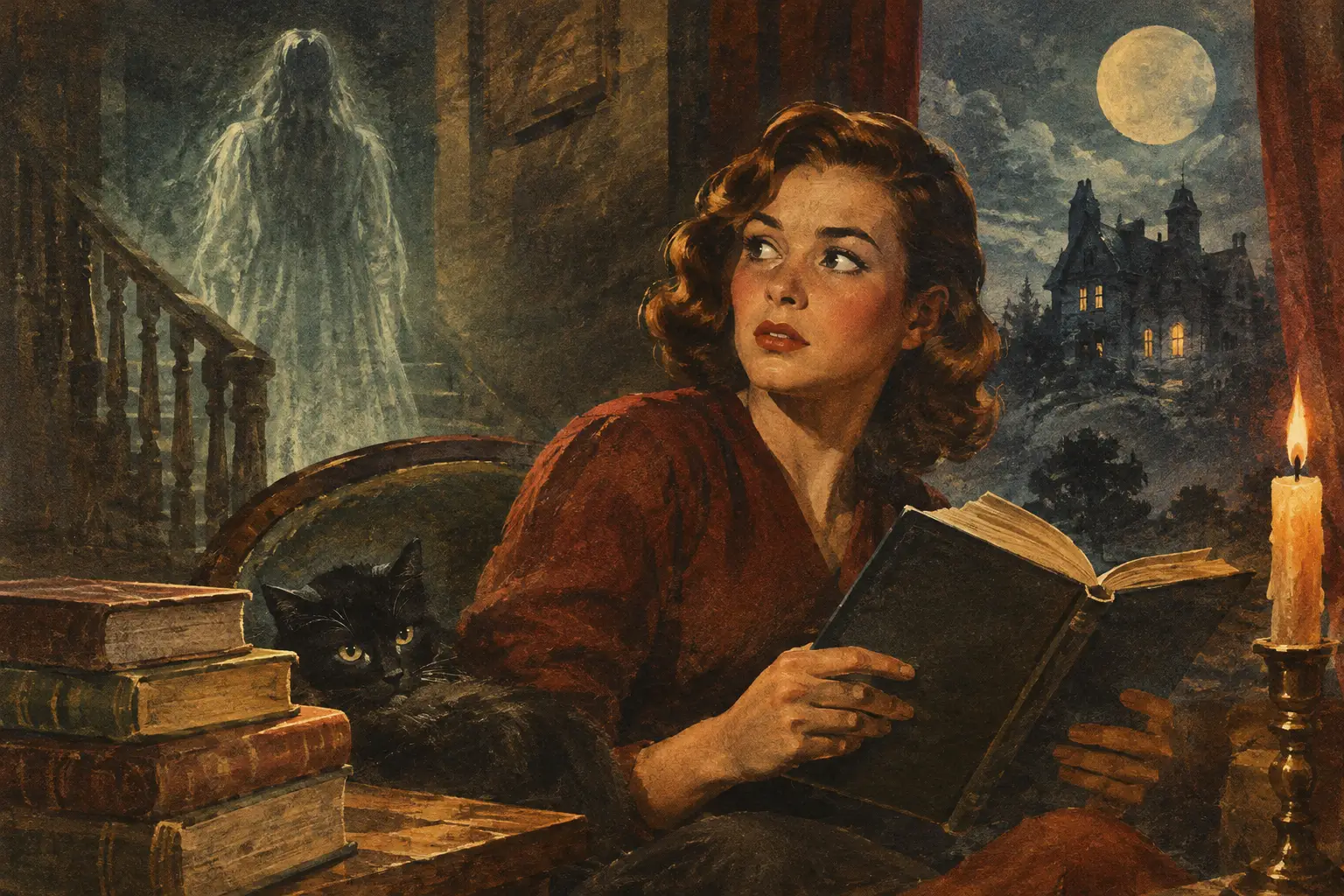
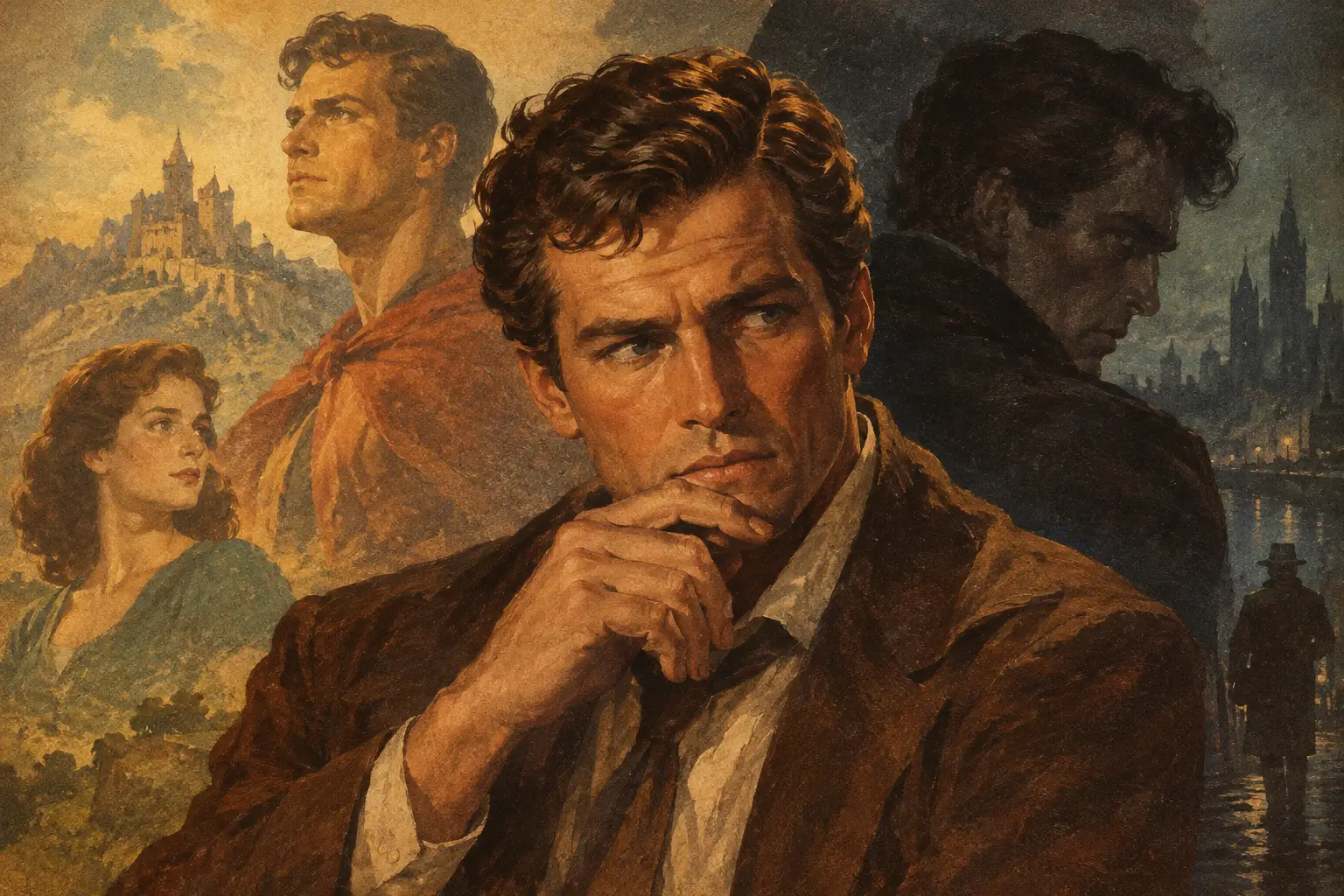
A body in a locked room and a senator with a gun are both promises of danger. But they make different promises to the reader. In the enduring debate of thrillers versus mysteries, the distinction is not simply about crime, detectives, or a last-page twist. It is about the question that tightens in the reader’s chest.
A mystery asks, What happened? Who is responsible? A thriller asks, What happens if the truth comes too late? Both can be dark, intelligent, emotional, and impossible to put down. Yet each creates suspense through a different kind of pressure.
For readers who want fiction with corruption, moral consequence, political danger, and characters forced to choose under fire, knowing that difference can change what you reach for next.
Thrillers Versus Mysteries: The Central Divide
Mysteries are built around concealment. Something has been hidden: a killer’s identity, a motive, a missing piece of the past, or the truth behind an apparent accident. The reader follows clues through false leads, contradictory testimony, and carefully placed details. The pleasure is intellectual, but it should never be merely mechanical. A great mystery makes the final revelation alter how we understand the people involved.
Thrillers are built around acceleration. The danger may be known from the opening chapter, even if its full reach is not. A conspiracy is moving. An assassin is closing in. A government has buried an ugly secret. A family has made a bargain it cannot undo. The protagonist does not have unlimited time to interpret the evidence because somebody is already acting.
That is the simplest distinction: mysteries make readers search; thrillers make readers brace.
Still, genre lines are not prison walls. A mystery can contain chase scenes, violence, and political betrayal. A thriller can withhold the identity of its enemy until the closing pages. The strongest novels often borrow from both traditions. What matters is the story’s dominant engine. Is the reader primarily driven to solve a puzzle, or to see whether a person can survive the consequences of a terrible truth?
How a Mystery Holds Its Power
In a mystery, information is currency. The author decides what the reader sees, what the investigator misses, and what a seemingly minor detail will mean later. A broken watch, a remark made in anger, a file removed from an archive: each fact may be part of the structure.
The best mysteries respect the reader. The answer should feel surprising, but it should also feel earned. When the culprit is revealed, the reader ought to be able to look back and see the path, even if they failed to recognize it in time. That is why fair clues matter. Random revelation may shock, but it rarely satisfies.
Mysteries also offer a particular moral shape. Disorder has entered a community. Someone must name it. The detective, journalist, amateur investigator, or grieving relative follows the trail because the official story is incomplete or corrupt. The ending often restores a measure of clarity, though not always comfort.
That need for clarity can make mysteries deeply powerful when they confront institutions that hide behind procedure. A murder investigation can expose class cruelty, family loyalty, racial injustice, religious hypocrisy, or the cold self-protection of political power. The crime is not just an event. It is a wound that reveals what the community would rather not see.
Why Thrillers Feel So Immediate
Thrillers create suspense through jeopardy. The reader may know that a bomb exists, that a witness has been marked for death, or that an intelligence operation has turned on its own people. The question is not whether the danger is real. The question is whether anyone can stop it before the cost becomes irreversible.
Time is often the thriller’s sharpest weapon. Deadlines compress choice. A protagonist has hours to expose a cover-up, cross hostile territory, rescue someone they love, or decide whether saving one life will endanger thousands. The plot moves because delay itself becomes a threat.
But speed alone does not make a thriller. Car chases, weapons, and explosions are surface elements. The real force comes when the external threat collides with a character’s inner fracture. A soldier carrying old guilt, a public servant who no longer trusts the state, or a parent who has lied to protect a child can make every action scene mean more.
Political thrillers are especially potent because their dangers feel close to the real world. They ask what happens when authority abandons its responsibility, when freedom is traded for control, or when ordinary citizens discover that the rules were written to protect the powerful. The conspiracy matters because it puts a human conscience under pressure.
The Reader Experience Is Different
A mystery invites attention. Readers pause, compare statements, question alibis, and test their own theories. The pace can be quiet without becoming weak because the mind remains active. Even a conversation over dinner may contain a clue, a lie, or a motive hidden in plain sight.
A thriller invites momentum. Readers tell themselves they will stop at the end of the chapter, then discover that the chapter ends with a phone call, a betrayal, a door opening in the dark, or proof that the enemy is closer than expected. The thriller’s ideal reading experience is propulsion, the sense that the story has seized the reader by the collar.
Neither experience is superior. It depends on what kind of tension you want. If you crave patterns, secrets, and the satisfaction of assembling truth from fragments, reach for a mystery. If you want pressure, pursuit, and characters who must act before certainty is possible, reach for a thriller.
Many readers want both. They want the investigative pleasure of a hidden truth and the emotional force of a danger that will not wait politely to be understood.
Where the Genres Meet
The most memorable suspense fiction often begins where the clean distinctions fail. A historical thriller may send a character into a conflict whose official record has been deliberately falsified. A supernatural mystery may begin with a death and become a fight for the soul of an entire town. A contemporary political story may ask who leaked a classified document, then reveal that the answer matters because a democracy is already being dismantled.
These hybrid stories work when the mystery and thriller elements serve the same emotional core. The revelation should intensify the danger, not pause it. The danger should force characters to confront the truth, not simply run from it.
Consider the difference between discovering that a trusted mentor committed a crime and discovering that the mentor committed it to protect a system still operating around the protagonist. The first is a mystery solution. The second is the beginning of a thriller. One closes a question; the other opens a battlefield.
That distinction is especially useful for readers drawn to fiction with moral weight. A villain is more frightening when they represent more than personal malice. They may embody greed protected by institutions, ideology stripped of mercy, or faith distorted into control. Likewise, a hero becomes more compelling when courage costs something real: safety, reputation, certainty, even the comfort of believing the world is fundamentally fair.
What Writers Can Learn From Both
Writers do not need to choose a label before they understand the story’s pulse. Start with the question that haunts the protagonist. If the answer will transform everything, you may be writing a mystery. If the truth is already dangerous and the protagonist must act before it is too late, you may be writing a thriller.
Then ask what the reader knows. Letting the reader know more than the protagonist creates dread, a classic thriller effect. Letting the reader know only what the investigator knows creates curiosity, a classic mystery effect. Alternating those approaches can be effective, but only when it sharpens tension rather than creating confusion.
Most of all, give the suspense a human cost. A secret should wound someone. A pursuit should force a choice. A final revelation should leave more than a solved case or defeated enemy behind. It should leave the reader considering what power does to people, what silence permits, and what courage demands.
The next time you choose between a thriller and a mystery, listen to the question that follows you into the first chapter. If it is who did this?, prepare to search. If it is can they stop it?, prepare to run. And if the story makes you ask both, you may have found the kind of fiction that stays with you long after the danger has passed.
Written by :

Join the Reader Circle
Get exclusive updates, early previews, and behind-the-scenes insights from G.H. White — delivered straight to your inbox.
No spam. Just stories, sneak peeks, and the occasional surprise.