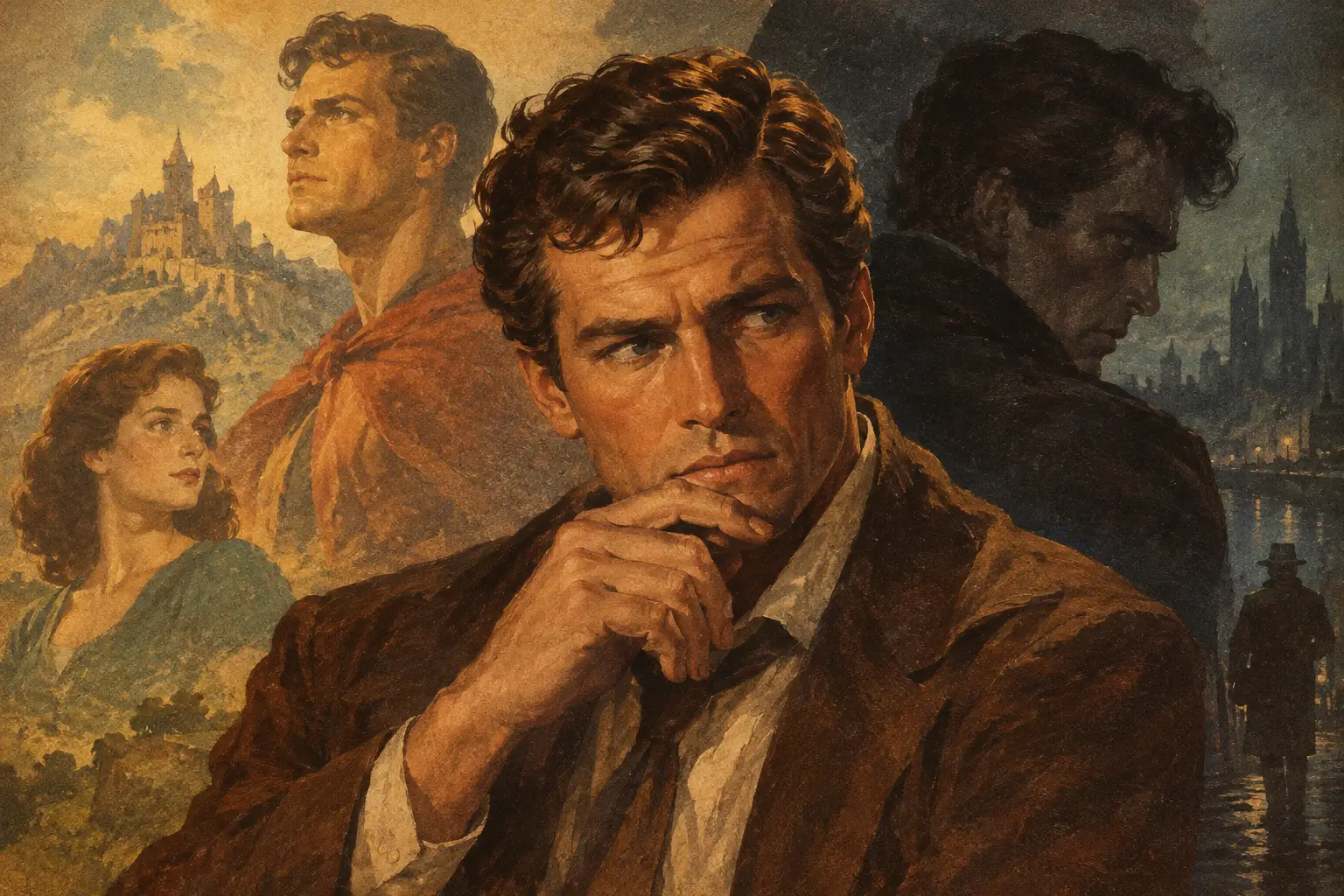
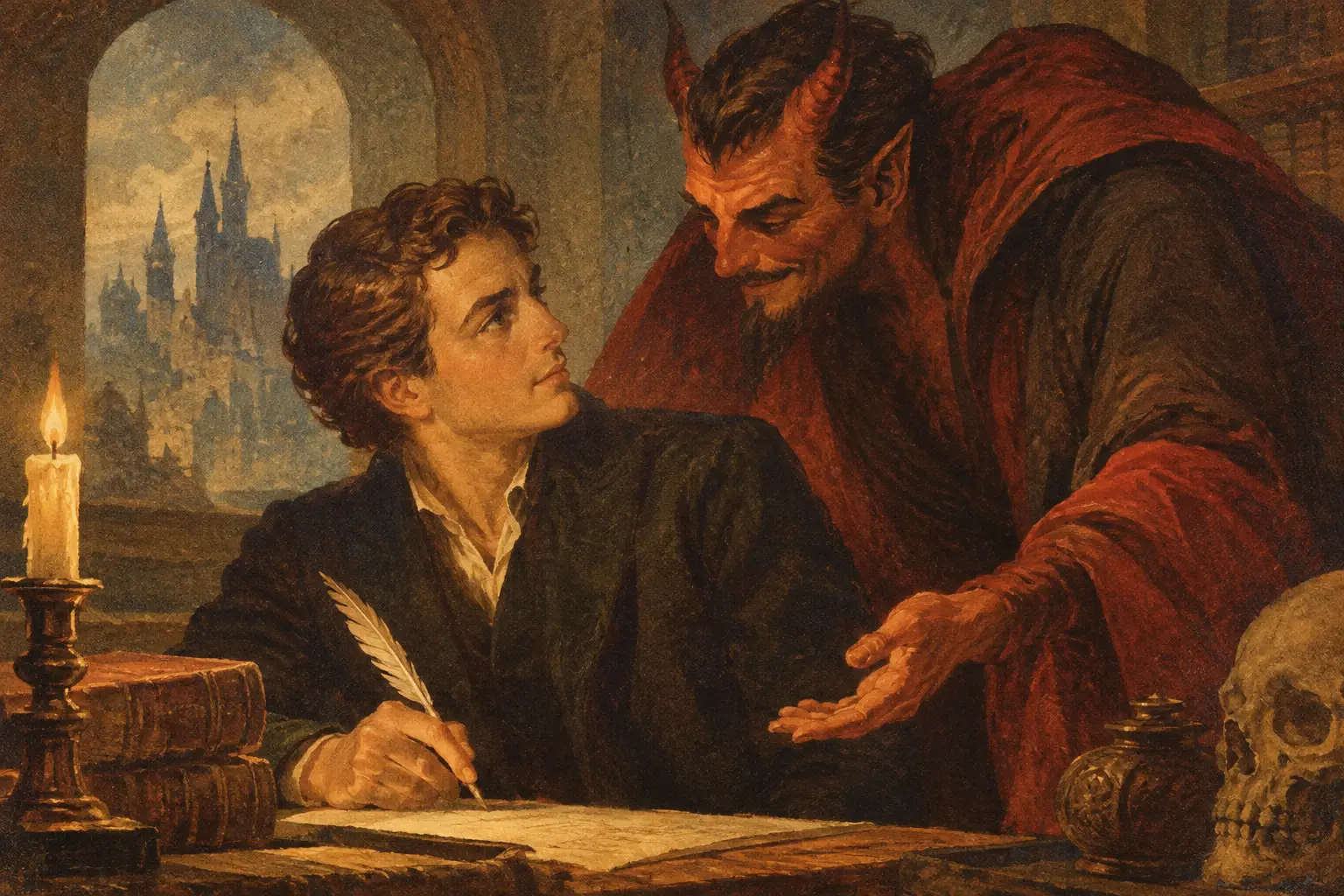
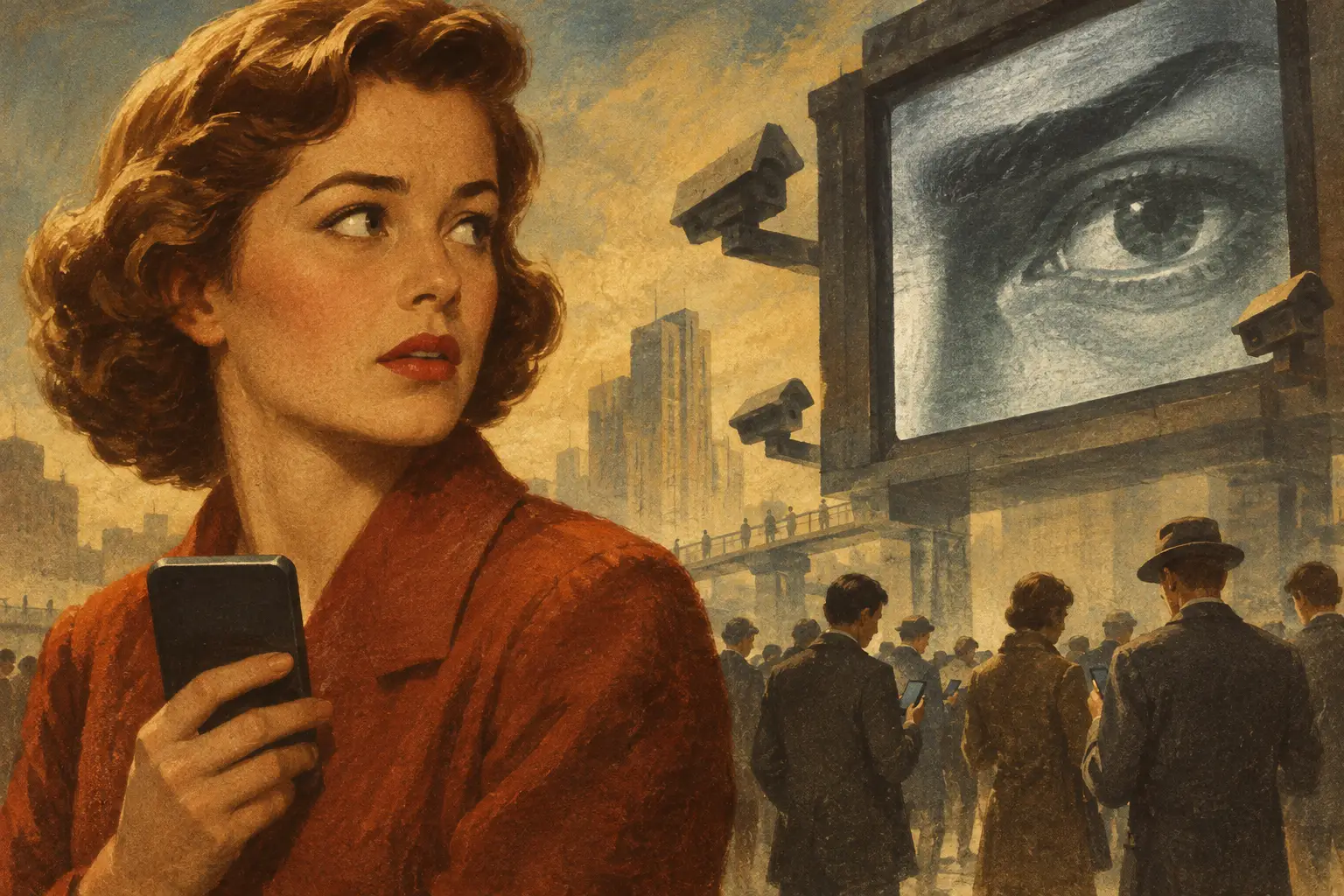
A banned book is rarely dangerous because it offers an easy answer. It is dangerous because it leaves a question alive after authority has ordered the room to be quiet. Can fiction challenge censorship? Yes, but not by pretending every story is a manifesto or every reader needs a lecture. Fiction challenges censorship when it makes silence feel personal, costly, and impossible to ignore.
For readers drawn to political thrillers, historical conflict, dark speculation, and characters forced to choose between safety and truth, this is more than an abstract argument. Censorship is a pressure placed on human beings. It reaches the teacher deciding what can remain on a shelf, the reporter deleting a name, the family learning to speak in code, and the writer wondering whether a story will ever be allowed to find its reader.
Can Fiction Challenge Censorship? Yes, Through Human Stakes
Facts can establish that a government suppressed a book, imprisoned a journalist, or erased a community’s history. Fiction can place the reader inside the moment before the suppression succeeds. A character hides a manuscript beneath floorboards. A daughter discovers that her father has spent decades calling fear “prudence.” A soldier receives orders to burn a library, then recognizes a name in the margin of an old volume.
That intimacy is fiction’s particular force. It does not merely announce that freedom matters. It asks what freedom costs when the threat has a face, a deadline, and a consequence.
The strongest stories do not treat censorship as a villain with a label on its uniform. They reveal the system around it. Fear of disorder. Political ambition. Religious certainty hardened into control. Corporate caution disguised as public comfort. A public exhausted enough to accept silence in exchange for temporary peace. When readers see those motives at work, censorship stops looking like a distant evil committed only by obvious tyrants. It becomes a choice that can be normalized, outsourced, or defended by ordinary people.
That is why speculative fiction can be so potent. A future state that edits citizens’ memories or a city where certain words trigger surveillance may be imagined, but the emotional machinery is recognizable. Distance gives readers room to examine power without immediately retreating behind partisan defenses. The best allegory does not hide reality. It sharpens it.
Stories Preserve What Censorship Tries to Erase
Censorship is not only about preventing a new idea from being heard. It is often an attempt to control memory. If a people cannot name what was done to them, cannot find themselves in a book, or cannot pass down the stories that explain their wounds, power has gained more than compliance. It has gained the ability to define the past.
Fiction resists this by preserving emotional truth. A novel cannot replace an archive, testimony, or rigorous history. It should not try. Yet history records events; fiction can reveal how events entered a kitchen, a marriage, a child’s imagination, or a person’s conscience. It can carry the texture of fear across generations.
Historical fiction is especially useful here, provided it respects the difference between invention and evidence. Writers have a responsibility not to reshape real suffering into cheap atmosphere. But when research is careful and character is treated with dignity, historical fiction can return urgency to moments that have been reduced to dates and headlines. It reminds readers that the past was once a present filled with uncertainty.
A politically charged thriller can work in much the same way. Its conspiracies and high-stakes reversals draw readers forward, but its deeper question may be simple: What happens when institutions meant to protect the public begin protecting themselves? Suspense gives that question a pulse.
The Difference Between Challenge and Propaganda
A story with convictions is not automatically propaganda. The difference lies in whether the work permits human complexity.
Propaganda begins with a verdict and arranges its characters like evidence. The righteous are pure. The enemy is stupid or monstrous. Every scene points to the same approved conclusion. Such stories may satisfy readers who already agree, but they rarely disturb anyone deeply enough to change how they see the world.
Fiction that challenges censorship must be willing to confront uncomfortable complications. A character who supports restrictions may be afraid of genuine harm, not simply hungry for power. A defender of free expression may be reckless, vain, or blind to the pain caused by what they publish. Communities can face real conflicts between protection, access, dignity, and liberty.
That complexity does not weaken a story’s moral center. It makes the center credible. The question is not whether a writer has a point of view. Every story does. The question is whether the writer allows characters to be fully human while the consequences of control unfold around them.
Readers can sense the difference. They do not need fiction to tell them what to think. They want a story that trusts them to feel the danger, wrestle with the conflict, and decide what they cannot accept.
Censorship Does Not Always Arrive With a Ban
The word “censorship” can bring to mind prohibited books and state decrees. Those are real and serious. But suppression can also arrive through quieter channels: intimidation, economic pressure, harassment, restricted access, self-censorship, and the calculated decision that some perspectives are too inconvenient to publish, teach, or promote.
This does not mean every editorial decision is censorship. Editors shape books. Libraries make collection choices. Parents make decisions for their own children. Readers are free to reject stories they dislike. A culture without judgment would not be freer. It would simply be noisier.
The line is crossed when judgment becomes coercion, when one group’s discomfort becomes a command that others may not read, write, discuss, or imagine. The distinction matters because careless use of the word can weaken the case against real suppression. Fiction can help readers recognize that line by showing what coercion does to actual lives.
A character need not be imprisoned for the stakes to be severe. The threat of losing a job, being targeted online, disappointing a family, or becoming a social outcast can silence a person just as effectively in the short term. A compelling novel understands that fear has many uniforms.
What Writers Can Do Without Turning the Novel Into a Sermon
Writers who care about freedom of expression do not have to build every plot around a banned book or a secret police force. The theme can live in smaller decisions. Who is allowed to speak at the dinner table? Whose memories are dismissed as unreliable? What truth does a protagonist refuse to say because the price feels unbearable?
The work becomes more powerful when censorship is embodied in conflict rather than explained in speeches. Let the reader watch a character hesitate before sending the message. Let the missing document change the course of an investigation. Let a forbidden poem become the one object that proves a vanished person existed.
Pace still matters. A political thriller must thrill. A supernatural novel must honor its dread and wonder. A space opera must let its world expand beyond its theme. Readers come for danger, mystery, heartbreak, escape, and the fierce pleasure of turning one more page. Meaning lands harder when it travels through a story that is alive.
For independent authors, the responsibility is also practical. Defend room for difficult stories, but be precise about what a book is asking readers to confront. Invite disagreement without surrendering the right to write boldly. Build a community around curiosity, courage, and the belief that a reader can be challenged without being dismissed.
The Reader’s Role in Keeping Stories Alive
Censorship depends on more than official power. It also depends on isolation. A silenced writer is easier to erase when readers do not talk about the work, recommend it, question it, or carry its ideas into the world beyond the page.
Reading widely is not passive. It is a form of attention. Choosing a book from an unfamiliar voice, discussing a troubling scene honestly, or refusing to let outrage replace thought keeps the space for literature open. Readers do not have to agree with every story to defend its right to exist.
That may be fiction’s lasting challenge to censorship: it keeps making strangers real. Once a reader has lived beside a character’s fear, grief, faith, rage, and hope, silence becomes harder to accept as a clean solution. The next time a voice is told it does not belong on the shelf, in the classroom, or in the public conversation, remember the stories that refused to disappear. Then make room for another.
Written by :

Join the Reader Circle
Get exclusive updates, early previews, and behind-the-scenes insights from G.H. White — delivered straight to your inbox.
No spam. Just stories, sneak peeks, and the occasional surprise.